


How much does it actually cost to live in Bangkok right now in 2026? If you’re basing your plans on old blog posts claiming Thailand is practically free, you might get a pretty nasty surprise when you land. The city has changed, prices have gone up, and that Instagram lifestyle you’ve been seeing comes with a very different price tag these days.
I’ve spent the last year living in Thailand, and today I’m breaking down exactly what it costs to base yourself here. We’re going to cover all the essentials like rent, food, and getting around, but I’ll also walk you through the hidden expenses people always forget to budget for, like internet, insurance, and your visa.
Whether you’re coming here to hustle on a tight budget or you want to pay a little extra for modern comfort, I’ll show you exactly what to expect.
Housing
<!– 📸 IMAGE: Foto de um condomínio moderno em Sukhumvit, Bangkok, piscina no rooftop com vista da cidade –>
Alright, let’s start with housing, since that’s where the biggest chunk of your monthly budget usually goes. If you’re browsing short-term rental platforms like Airbnb or Agoda, a good studio in the heart of Sukhumvit goes for around $600 a month.
These are modern places inside proper condo buildings that usually come with amenities like a gym, a rooftop pool, and sometimes even a co-working space. On top of that, you’re right in the middle of the action, surrounded by shopping malls and restaurants, and with both the BTS Skytrain and the MRT just around the corner.
But if you want to keep costs down, you can find simpler studios in older buildings across the city for under $350 a month. No rooftop pool, no fancy finishes, but they usually still come with decent Wi-Fi for remote work, and a lot of them are surprisingly close to a train station, which is really what matters here.
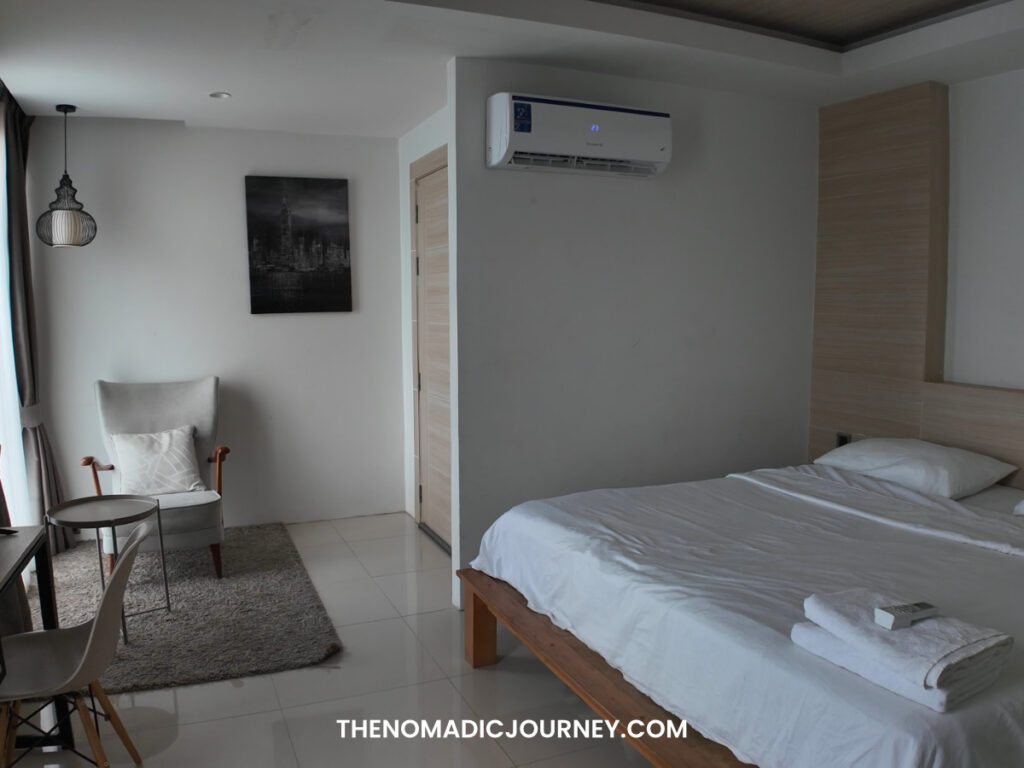
Sure, if you sign a year-long lease directly through a local real estate agency, your monthly rent does drop noticeably. But that requires a long-term visa, proof of income, and a fair amount of patience with paperwork.
For most nomads and short-stay remote workers, you’re really better off budgeting for those short-term platform prices.
💡 Quick tip: Studios in Sukhumvit between Soi 21 and Soi 55 tend to offer the best balance between price, convenience, and nightlife access.
Transport
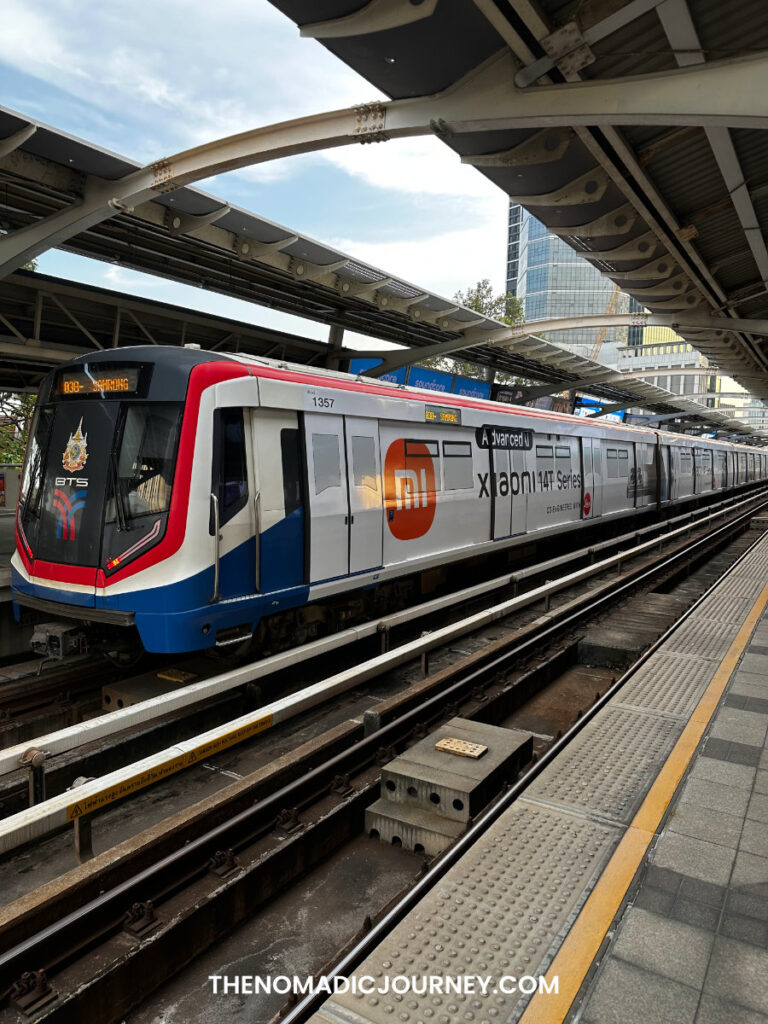
Now, let’s talk about getting around. Unlike other cities in Thailand where you just rent a scooter and spend a little on gas, you’re not going to do that in Bangkok. The traffic here is genuinely brutal and dangerous on two wheels, so you’ll end up relying on public transit instead.
The two main options are the BTS Skytrain and the MRT metro, but they’re not connected, so if your route involves switching between them, you’re paying a separate fare each time. Both systems charge based on distance, so the longer you ride, the more you pay.
BTS & MRT Fare Breakdown
| System | Max Fare | Payment Tip |
|---|---|---|
| BTS Skytrain | ~$2.00 | Get a Rabbit Card (~$3) to skip ticket lines |
| MRT Metro | ~$1.30 | Tap in with a regular credit card, no special card needed |
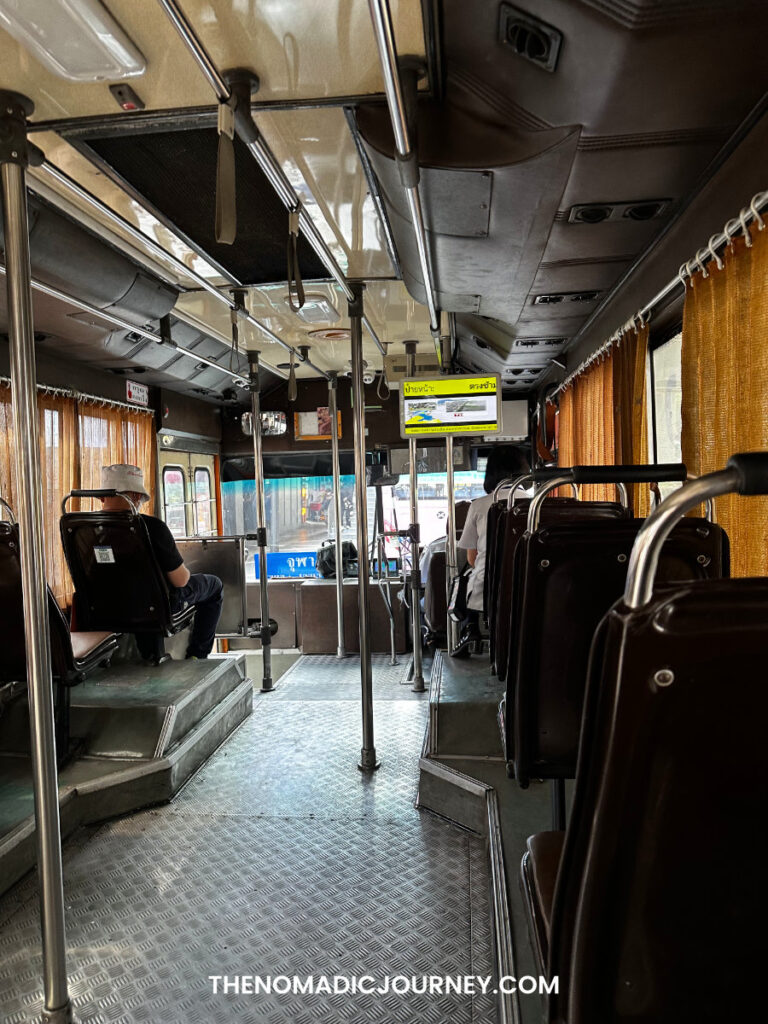
There are also local buses, but Bangkok’s traffic makes them painfully slow on most routes. The older red ones start at around $0.30, while the newer air-conditioned ones start at about $0.60.
Canal boats start at around $0.30 as well. They’re great for cutting through traffic since they skip the roads entirely, but the routes are limited, so you can’t always count on them to get where you need to go.
<!– 📸 GRID 2 COLUNAS: Foto do interior do BTS / Foto de um canal boat em Bangkok –>
Besides public transit, you’re also going to need ride-hailing apps like Grab or Bolt for those trips that just don’t work well on a train, like hauling groceries back from the supermarket or getting somewhere the transit lines don’t reach.
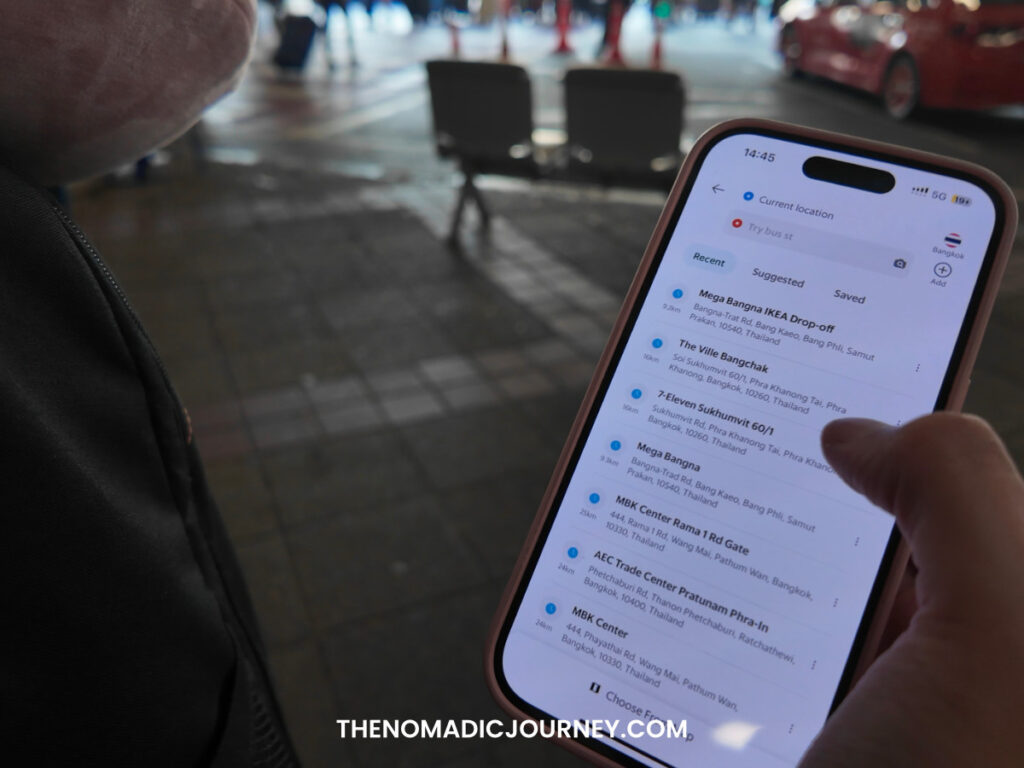
There’s no way to give you a fixed price on those because it depends on the distance, the demand, and even the weather, so it changes every single time. But living here for a month and mixing all of these options together, you should expect to spend somewhere between $60 and $90 on transport, depending on how much you get around.
Food
Food in Bangkok is honestly one of the best parts of living here. At local restaurants, you can grab classic Thai dishes like Pad Thai or Khao Soi for about $2 a plate. These spots aren’t fancy, but they’re clean, the food is great, and you’re eating the real deal.
But the moment you start craving something international, like a burger or a pizza, or even if you want those same local dishes in a nicer, more upscale restaurant, prices jump fast. You’re easily looking at $10 or more per meal.


The good news is that most condos in Bangkok come with a kitchen, and that’s a huge advantage.
Supermarket Price Reference
| Item | Approx. Price |
|---|---|
| Rice (1 kg) | $1.50 |
| Chicken | $6.00 |
| Pasta (500g) | $2.00 |
| Tray of eggs | $3.00 |
If you mix home cooking with those cheap local meals, you can eat really well for around $250 a month. But if you’re eating at international restaurants more often and cooking less at home, that number climbs quickly. Someone who’s regularly eating out at nicer places can easily spend $400 to $500 a month on food alone.
Most people land somewhere in between, since you’ll naturally end up mixing local spots with the occasional international meal.
About Street Food
You’ve probably heard that street food is the real hack for eating cheap in Bangkok. You’ll see vendors everywhere, at night markets, on sidewalks, and outside train stations. And yes, you can grab something for as little as a dollar.
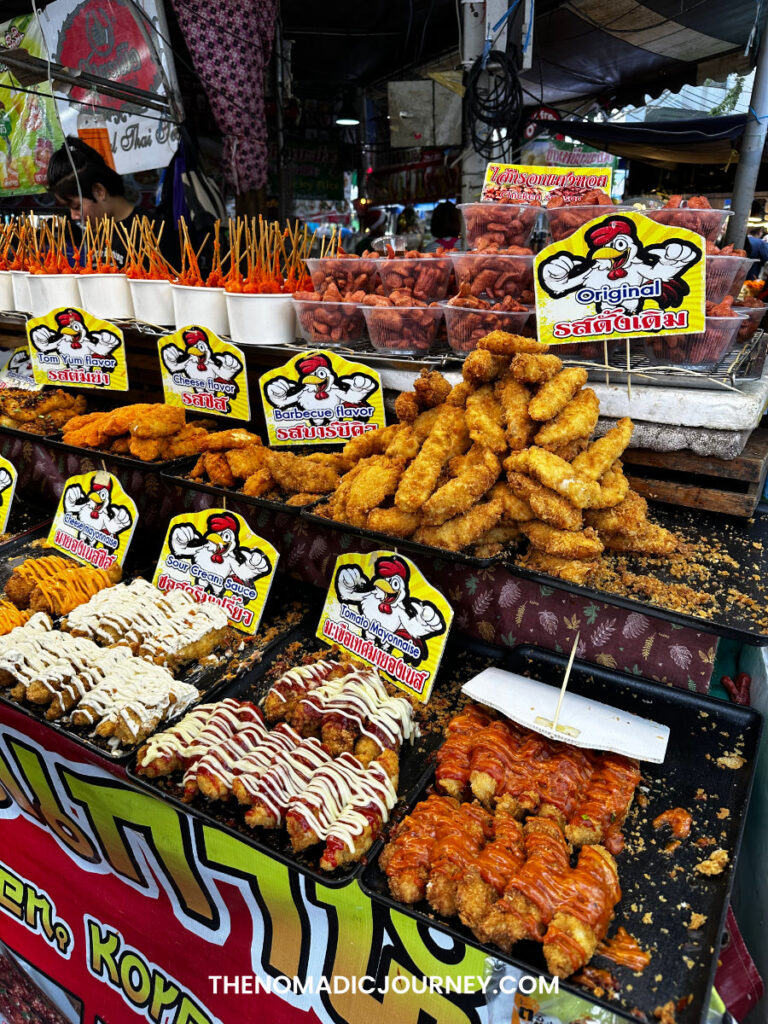
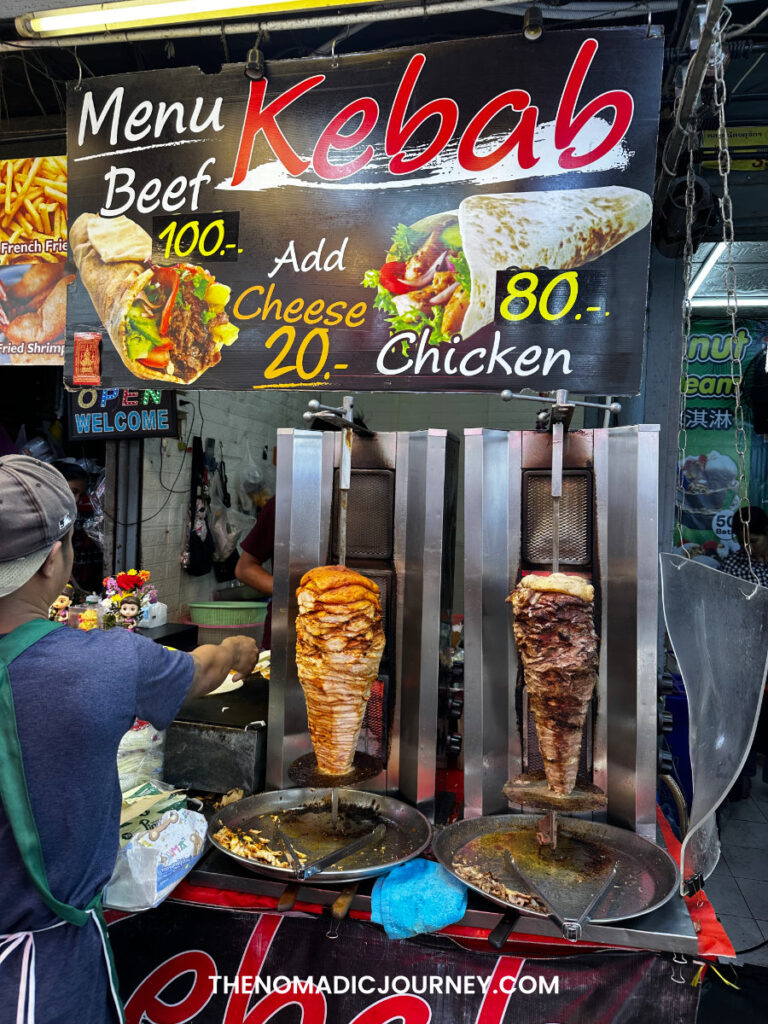
But most of those options are small portions, usually some kind of fried snack with very little protein. There’s a ton of variety across all the different street markets, and it’s great for a quick bite here and there, but you’d have to buy a lot of it to actually feel full.
It’s not something you can realistically rely on for every meal. Budget for proper food. Your body will thank you.
Travel Insurance
<!– 📸 IMAGE: Foto ilustrativa de um hospital moderno em Bangkok ou alguém com seguro viagem –>
One cost that a lot of people completely forget to budget for is travel insurance. I just told you that the local restaurants are clean and the food is solid, and that’s true for most places. But some spots, especially the smaller street stalls, don’t always have the same sanitation standards, and food poisoning is genuinely common here.
And beyond food, if you ever decide to hop on a scooter or rent a motorbike, traffic accidents are one of the most common issues for foreigners in Thailand. So having good coverage isn’t optional.
A solid base plan starts at about $62 every 4 weeks, and good coverage typically handles the important stuff like hospital stays, scooter accidents, and even lost checked luggage.
💊 Pro tip: Set aside around $20 a month for basic pharmacy stuff like pain meds or stomach tablets, since insurance usually doesn’t cover those smaller everyday expenses.
Things to Do
<!– 📸 IMAGE: Foto do Grand Palace em Bangkok –>
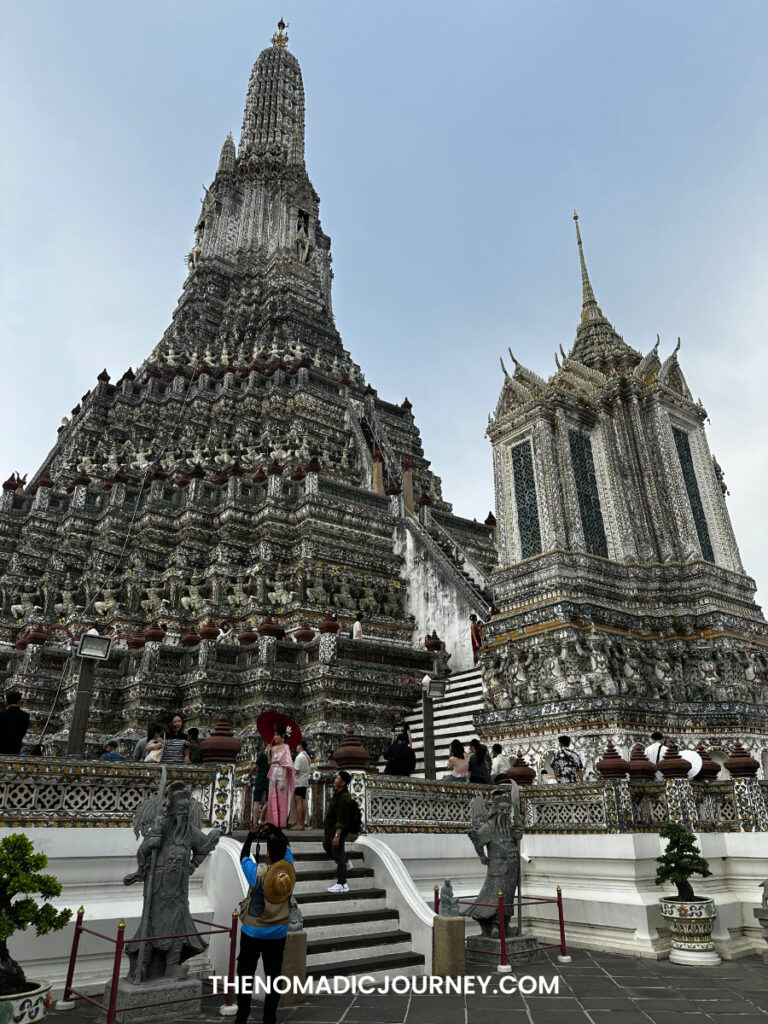
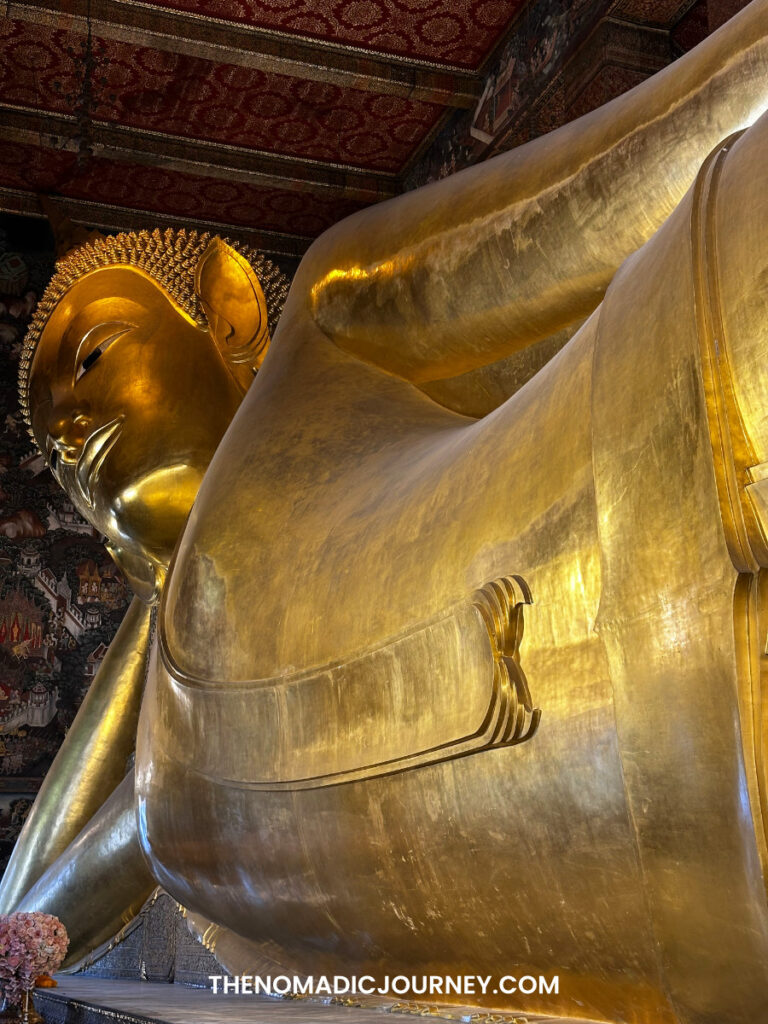
Bangkok gives you a lot to work with when it comes to things to see and do. Some of the most iconic spots do have entrance fees:
| Attraction | Entrance Fee |
|---|---|
| Grand Palace | ~$14 |
| Wat Pho | ~$9 |
| Wat Arun | ~$6 |
But a lot of the best experiences in this city are completely free. You can spend a whole afternoon walking through the Chatuchak Weekend Market, relaxing at Lumpini Park, or exploring the night markets around the city without paying a single dollar to get in.
You’ll probably grab some street food or pick up something that catches your eye, but the entry itself costs nothing.
Day Trips from Bangkok
If you want to go a little further, there are some great day trips you can do from Bangkok.
Ayutthaya, the old capital of Thailand, is rich in ancient temple ruins. A day trip runs around $30.
Damnoen Saduak is home to the famous floating markets. Also around $30 per trip.<!– 📸 GRID 2 COLUNAS: Foto das ruínas de Ayutthaya / Foto do mercado flutuante de Damnoen Saduak –>
These are a cool way to see a completely different side of the country without committing to a full trip. But honestly, Bangkok itself has more than enough going on to keep you entertained month after month.
Between visiting a few temples, eating at some of the famous markets, and just exploring different neighborhoods, I’d say somewhere around $100 to $150 a month is more than enough to have a great time here.
Visa
On the visa side, Thailand keeps it pretty simple for short stays. If you’re from the US or most Western countries, you get a visa exemption on arrival, which means you can stay up to 60 days for free. No application, no fees, you just show up with your passport and you’re in.
If you need a little more time, you can extend that by 30 days at a local immigration office for about $55.
The DTV: Thailand’s Digital Nomad Visa
If you’re planning to stay long-term, the visa most people are going with right now is the DTV (Destination Thailand Visa). It’s basically Thailand’s digital nomad visa.
To apply, you’ll need at least $14,000 in your bank account held for the last 3 months, and you need to show that you work remotely or have some form of online income. The application fee is about $285 and the whole process is done online now.
| Requirement | Details |
|---|---|
| Bank balance | At least $14,000 held for the last 3 months |
| Income proof | Remote work or online income |
| Application fee | ~$285 (done fully online) |
| Validity | 5 years, multiple entries |
| Each entry | Up to 180 days |
| Extension | +180 days without leaving the country |
Once you have it, the visa is valid for 5 years with multiple entries, and each entry lets you stay up to 180 days. You can even extend that once for another 180 days without leaving the country.
After that, you just need to step out and come back in to start a new entry. A quick flight to a neighboring country handles that, and since you’re only doing it once or twice a year, it barely affects your monthly budget.
Internet
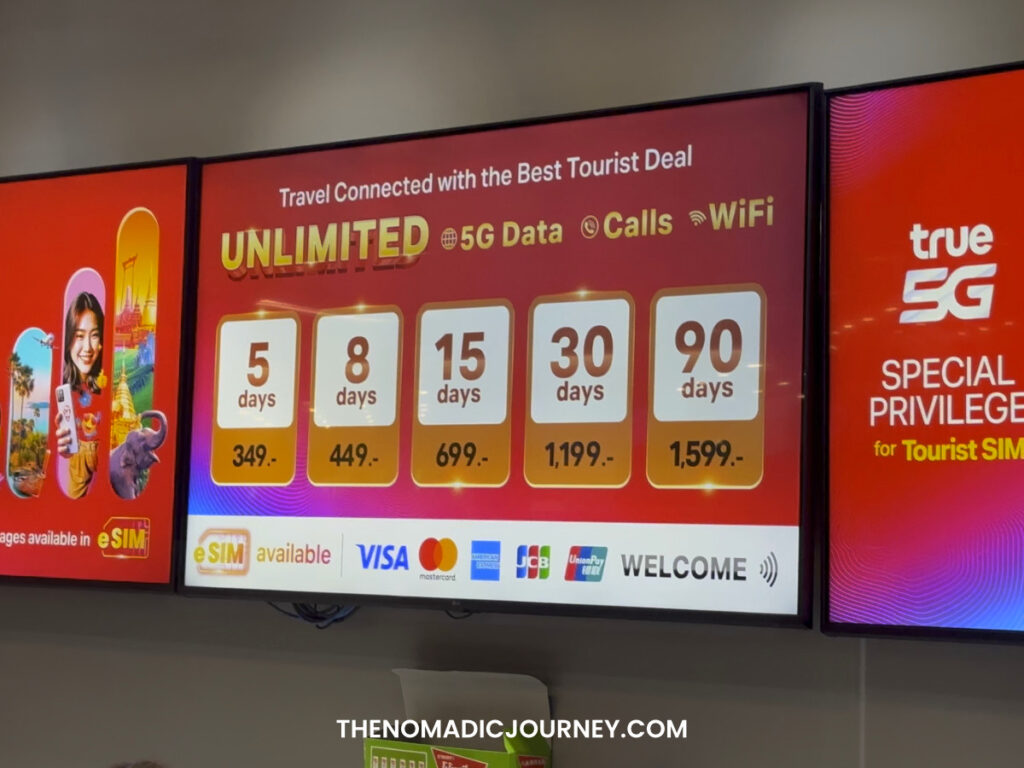
For your phone, local operators like True and AIS offer unlimited data plans for about $35 a month. They also have cheaper options with limited data, but if you’re working remotely, unlimited is the way to go.
You can grab a physical SIM right at the airport when you land, they’ll register everything for you on the spot, and when you need to renew, there are operator stores all over the city where you can do it.
The other option is going with an eSIM, which keeps things a lot simpler. You set it all up through an app, buy it, renew it, everything is online. No need to hand your documents to anyone or stop at the airport. It does cost a bit more than a local SIM, around $49 for a full month of unlimited data, but you’re paying for the convenience of not having to deal with anything in person.
As for Wi-Fi, that’s something you really don’t need to stress about here. Pretty much every hotel, mall, and cafe in Bangkok has free Wi-Fi, and even the airport gives you a solid connection the moment you land.
Final Costs: Full Monthly Breakdown
<!– 📸 IMAGE: Infográfico ou ilustração mostrando os custos mensais em Bangkok (estilo comparativo budget vs comfort) –>
🟢 Budget Lifestyle (~$700 to $800/month)
If you’re keeping things lean, you’re staying in a basic studio for around $350, cooking most of your meals at home, eating at those $2 local spots when you go out, getting around on the BTS and buses, and keeping your entertainment to free markets and the occasional temple visit. Add in your insurance, your phone plan, and a few small expenses here and there, and you’re looking at around $700 to $800 a month.
And let me be clear, that’s not a miserable life. You’re in one of the most exciting cities in Southeast Asia, eating incredible food, and genuinely enjoying the experience.
🔵 Comfortable Lifestyle (~$1,500/month)
If you want to live more comfortably, think modern condo with a pool, eating at international restaurants a few times a week, using Grab when you don’t feel like taking the train, and actually going out without checking your bank account every time.
That lifestyle puts you closer to $1,500 a month. And at that level, you’re living really well here. Better than what that same money would get you in most American cities.
Full Breakdown Table
| Category | Budget | Comfortable |
|---|---|---|
| Housing | $350 | $600 |
| Food | $250 | $450 |
| Transport | $60 | $90 |
| Insurance | $62 | $62 |
| Internet/Phone | $35 | $49 |
| Things to Do | $50 | $150 |
| Pharmacy & Misc | $20 | $50 |
| TOTAL | ~$827 | ~$1,451 |
⚠️ Important: I wouldn’t go much below that $700 mark, though. At some point you stop enjoying the city and just start stressing about money, and there’s no point flying across the world for that.
I hope this gave you a real, clear picture of what to expect when you land in Bangkok. If this was helpful, share it with a friend who’s been talking about moving to Thailand, and feel free to drop any questions in the comments below.